
Making Tax Digital for Income Tax, Sole Traders.
What does it Mean for you?
Making Tax Digital for Income Tax will change he way millions of business owners and landlords report their earnings to HMRC. If you’re wondering how this might affect you, here’s a simple guide to the new rules.
Making Tax Digital (MTD)
Is a government initiative that sets out a bold vision for the UK to have “one of the most digitally advanced tax administrations in the world”. It promises to “transform tax administration so that it is easier for taxpayers to get their tax right”.
MTD for Income Tax
Previously referred to as MTD for Income Tax Self Assessment, is the second stage of Making Tax Digital. It will replace the current system of annual
Self Assessment tax returns. MTD for Income Tax will come into effect in April 2026 for self-employed individuals and landlords with qualifying income of more than £50,000 a year.

What is changing under MTD for Income Tax?
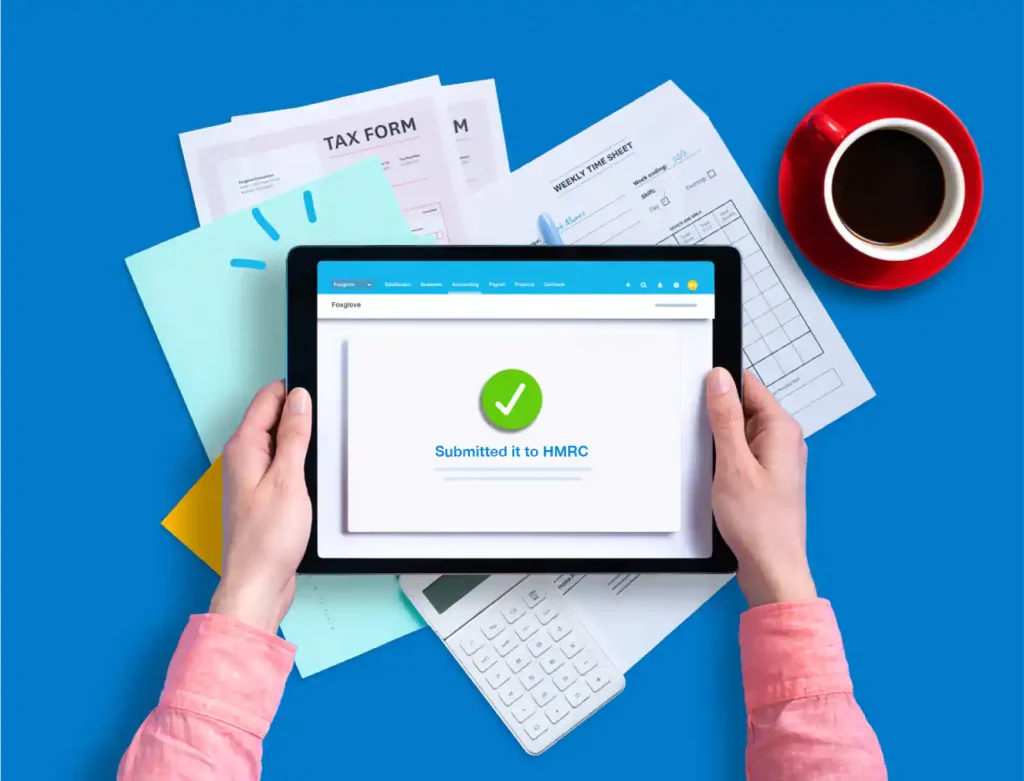
The most significant change under the MTD for Income Tax rules is that instead of sending a Self Assessment tax return to HMRC once a year, those affected will
have to submit four quarterly updates about their business income and expenses.
At the end of the tax year, they will also have to send a final declaration.
Who will MTD for Income Tax affect?
Initially, MTD for Income Tax will only affect self-employed business owners and landlords with a total business and/or property income above £50,000 per
year. These individuals will have to follow MTD for Income Tax rules from 6th April 2026.
MTD for Income Tax will come into effect in April 2027 for self-employed individuals and landlords with a qualifying income of more than £30,000, and by the end of the parliament (2029 at the latest) for those with qualifying income over £20,000 a year.
What will I have to do under the new rules?
If you’re a self-employed business owner and/or landlord and you’re affected by MTD for Income Tax, you’ll have to take the following actions from 6th April 2026:
Keep Digital Records
Under MTD for Income Tax, you’ll need to keep digital records of all your business income and expenses, including all your income from self-employment or property. It’s a good idea to start doing this as soon as possible so that you have plenty
of time to prepare.
You can keep digital records using accounting software such as FreeAgent. You can pull your bank transactions directly into FreeAgent by setting up a bank feed, and the software offers powerful tools to manage all of your invoices, expenses, projects and more.

Send Quarterly Updates
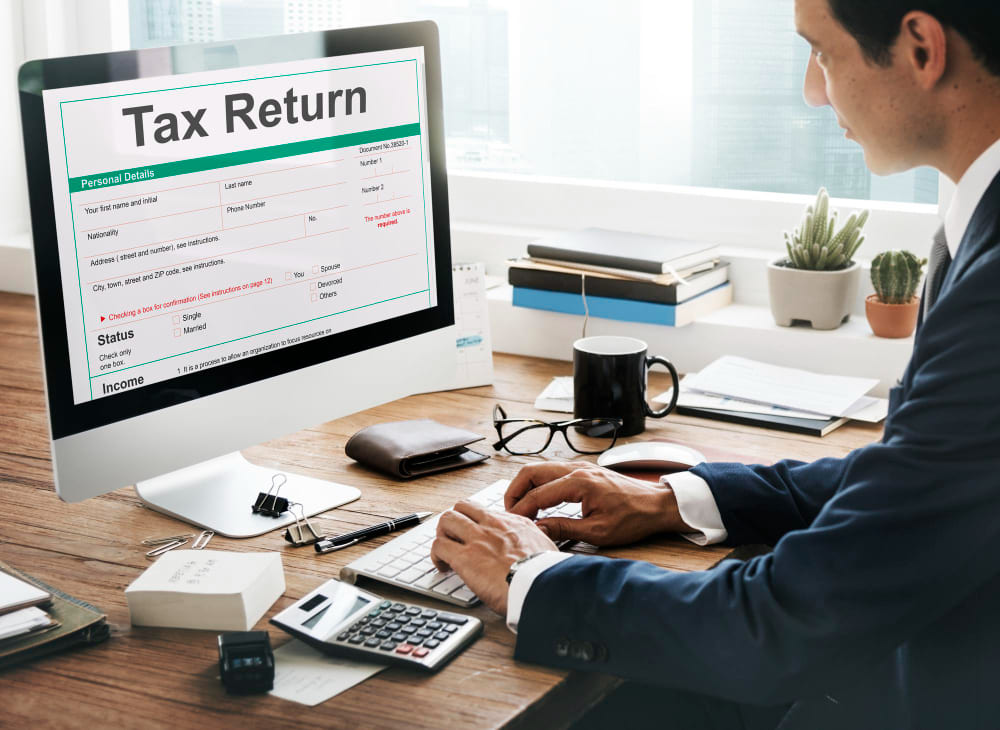
Once you’re signed up to MTD for Income Tax, you’ll need to send a summary of your business income and expenses to HMRC every three months using MTD-compatible software. FreeAgent is working with HMRC to ensure that our software
will support MTD for Income Tax submissions ahead of the expansion of the pilot scheme.
The deadlines for submitting quarterly updates will be the same for everyone who has to follow the MTD for Income Tax rules. From the start of the tax year on 6th April, these deadlines are:
• 7th August
• 7th November
• 7th February
• 7th May
Finalise your business income
At the end of the tax year, you’ll need to finalise your Income Tax position and submit a final declaration that replaces the current Self-Assessment tax return.
This process lets you confirm that the updates you’ve sent are correct, add any details about other taxable income or reliefs or make any other necessary adjustments. As with the current Self-Assessment process, you’ll have to submit the final declaration and pay the tax you owe by 31st January of the following tax year.
How can I learn more?
To find out more about MTD for Income Tax and how it affects you please contact me, contact details below, I can advise on all aspects of MTD. I am an Accredited Practitioner for FreeAgent in MTD for Income Tax. If you get a Mettle, NatWest, RBS, Ulster Bank account you can get FreeAgent for no monthly fee. Please contact me for advise.
Contact Details
David Allen MICB PM.Dip
Mobile: 07740-520132
Email: david.daaservices@outlook.com

